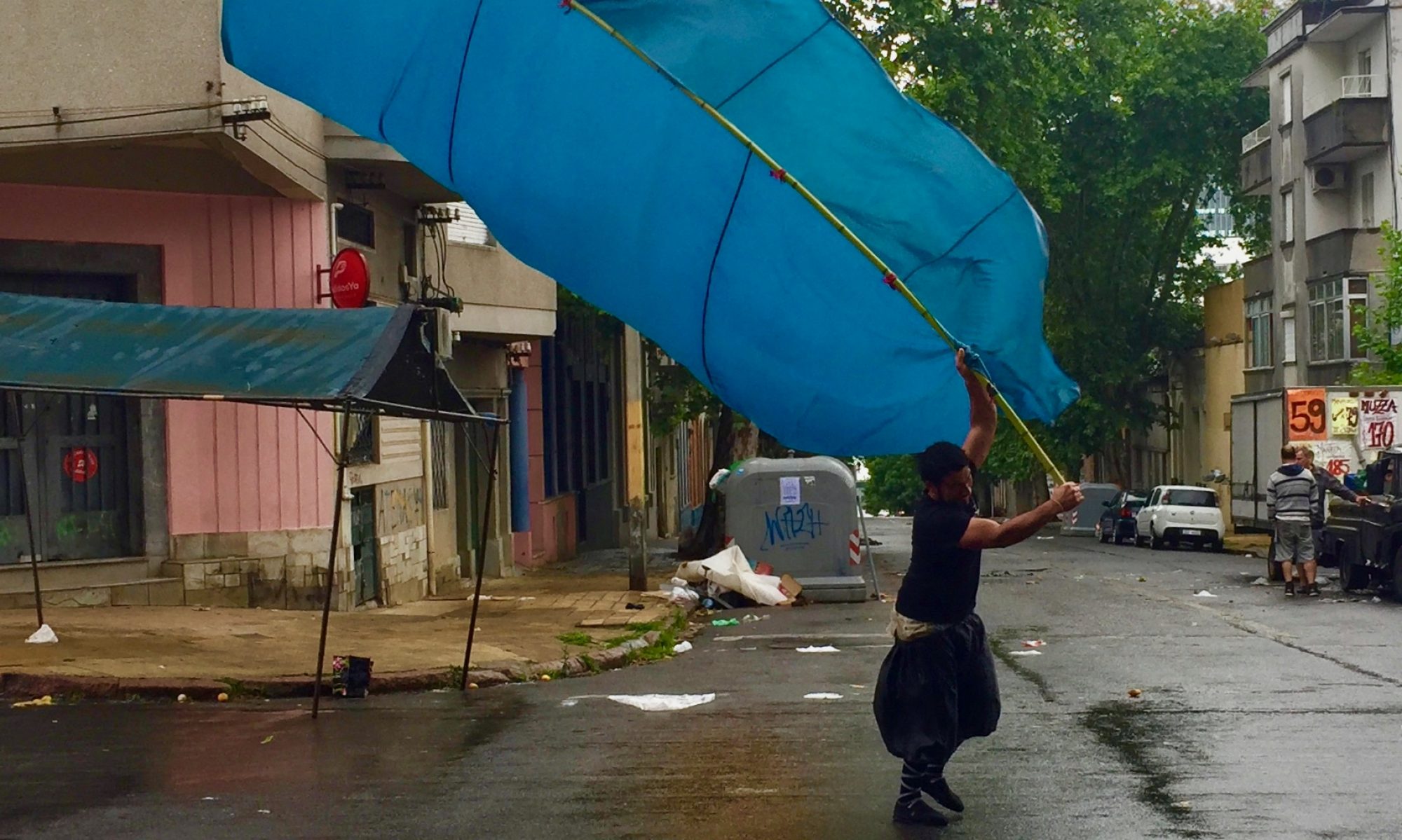

Comuna 13, one of Medellin’s largest and poorest districts, sprawls on a mountain slope and is open for business. And not the business of cocaine, as it was 25 years ago, when it was reputed to be one of the world’s most dangerous spots.
Comuna 13 expanded throughout the 20th century on waves of poor immigrants. Strategically located for the transport of cocaine and weapons, it was infiltrated, ‘groomed’ and largely controlled in the 80s and 90s by FARC and other guerilla groups. Disappearances, shootings and killings were commonplace. No tourist in their right mind would have ‘visited’ the area in those days.

In 2020, tourists happily make the trip up the mountain; Comuna 13 has, by all accounts, been transformed. And two things played a key role in that transformation: transport and art.
Until just over a decade ago, the only way to reach Comuna 13 from central Medellin (or vice versa) was through a long hike across steep narrow paths, covering the equivalent of climbing 80 floors. Urban mobility – or lack of it – separated and isolated Comuna 13 from other parts of Medellin, not just geographically but also economically.
Then, early this century, architect Carlos Escobar, one of Comuna 13’s residents, proposed a bold (and expensive) solution: instal a cable car system. Many people thought that was crazy! But Medellin’s then-mayor, Sergio Fajardo, was a man with a vision, and the first cable car line was built in 2006. It has since expanded to six lines, and scaling the whole mountain now takes six minutes.

Medellin’s next major, Aníbal Gaviria, shared his predecessor’s vision and took it a step further; he supported the construction of an outdoor network of electrical escalators in Comuna 13 – the first of its kind in the world. Again, expensive. And crazy! But the mayor went ahead, and a set of long orange urban escalators was installed in 2011. Yes, they do look a bit out of place. But their impact has been huge, particularly for children and older people, and the system is now being rolled out across other parts of the city.

The other source of transformation for Comuna 13 was art. Clutching to a steep surface, Comuna 13 never seemed to have much going for it, but a programme of urban renewal has made the most of an unlikely resource: its walls. Medellin’s local government has been actively involved in supporting local artists to bear testimony to the history and spirit of the community, by funding public murals documenting Comuna 13’s past. The resulting urban art is powerful and stunning. Art galleries and coffee places have popped up around it; tourists love it, and bring in money. I am one of them, savouring an empanada accompanied by an espresso with lemonade.
‘Why call it graffiti rather than street art?’ I ask the passionate young journalist who is our guide on a graffiti tourof the area. Because of their meaning, he replies. Each mural tells a story, contains a message, arcs back to the trauma of recent history, points towards a different future.

On the day I visit Comuna 13, the area feels busy, vibrant and culturally rich. The people are warm and welcoming, and impromptu hiphop performances keep erupting next to street food stalls. Can cable cars and graffiti transform a community once dominated by violence and cocaine? In Medellin, it does seem possible.
